Choosing a Tour en Helicoptero Barcelona in Ciutat Vella
A flight over Barcelona feels different from seeing the city on foot. From above, the street grid around Ciutat Vella gives way to landmarks, rooftops, the coastline and the long curve of the horizon. A tour en helicoptero barcelona is not only about the view, though. The right choice depends on the route, the flying conditions, the departure point, the rules for passengers and the way the operator handles the day if plans change. Taking the decision in a clear order makes the experience easier to judge before you commit.
Start with the reason you want to fly
Before comparing options, decide what matters most. Some people want a short introduction to the city landmarks, while others care more about aerial photography, a quieter ride or a route that follows the coast. The purpose shapes nearly every later choice.
If the main aim is sightseeing, look for a route that names the places you expect to see. A flight that passes near the old city, the waterfront and major landmarks will feel more focused than one described only in general terms. If photography matters, check whether cameras are welcome, whether windows are clear enough for clean shots and whether there is any restriction on opening doors or leaning out. A souvenir video may be useful, but it should not be the only reason to pick a flight. The live view is the central part of the experience.
Also think about who is flying. Children, older passengers and people who are nervous in small spaces may prefer a calmer option with clear boarding instructions and a shorter time in the air. A flight is not the same as a coach tour or an observation deck, so comfort with noise, motion and confined seating is worth considering in advance.
Check the route, not just the length
Flight time is easy to compare, but it does not tell the whole story. A short route can still feel full if it covers the harbour, the city centre and recognizable buildings. A longer route can feel uneven if much of it is over open water or areas with little to see. Ask what the route includes and how the pilot adjusts it on the day.
Weather and air traffic can affect the path. That is normal. What matters is whether the operator explains the plan in plain language and gives a sensible alternative if a landmark cannot be included. Watch for vague wording that promises every sight no matter what. Skyline views depend on flight altitude, visibility and the approved route, so a little flexibility is a good sign.
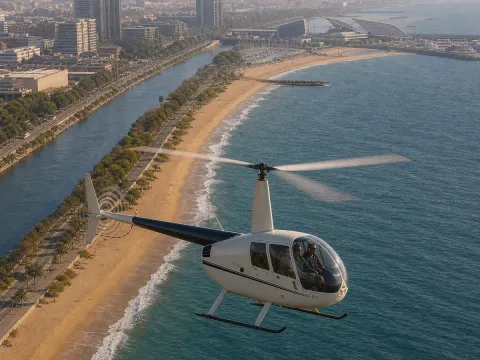
Tour commentary can add context, especially for a first visit. It should help you understand what you are seeing without turning the flight into a lecture. If you want quiet, check whether commentary is live, recorded or optional. Some flights use headsets, which can affect conversation and photos. Knowing this before booking prevents small surprises.
Look closely at the departure point
Where the flight begins has a practical effect on your day. A departure point in Ciutat Vella can be convenient if you are staying nearby, but central streets can be busy and access may be restricted. Allow time to arrive, find the meeting point and complete check in without rushing. A landing pad or meeting location should be described clearly, including what passengers should do when they arrive.
One local option is Barcelona Helicopter Tour. If you are comparing several local businesses, including Barcelona Helicopter Tour, keep the address, route, passenger rules and weather policy in the same place so the comparison is fair. Do not judge a flight only by how close the meeting point looks on a map. The time needed for check in, security style checks and boarding can matter just as much as the journey across town.
If you are staying elsewhere in Barcelona, think about the trip before and after the flight. A late morning booking may fit better than an early one if you need to travel from another district. A central departure point can also pair well with a walk afterward, especially if you plan to explore Via Laietana and the surrounding streets. Confirm the exact meeting instructions with whichever business you choose, because access details and check in arrangements can change.
Compare the helicopter model and seating
The helicopter model affects the feel of the flight. Seat width, window size, noise level and the position of each passenger all shape what you can see. Some aircraft are better suited to small groups, while others carry more people. If you want a window seat, ask whether seats are assigned or chosen on arrival. If you are travelling with someone who wants clear photos, seating can make a real difference.
Weight limits are another practical point. These limits exist for safety and are not a minor detail. Passenger weights, baggage and sometimes seasonal conditions can affect whether a flight goes ahead as planned. Give accurate information when asked. If you have a question about luggage, mobility needs or whether a child must sit in a particular seat, confirm it before paying.
Listen for signs of poor communication here. If a business avoids clear answers about the aircraft, seating or passenger limits, pause before booking. A well run flight relies on preparation, and passengers should understand the basic rules before they arrive.
Read the weather and cancellation terms carefully
Barcelona flights depend on visibility, wind and rain. A bright day can still bring restrictions, while a cloudy morning may clear later. Seasonal availability can also shape which routes and times are offered. For that reason, the cancellation and rescheduling terms deserve as much attention as the route itself.
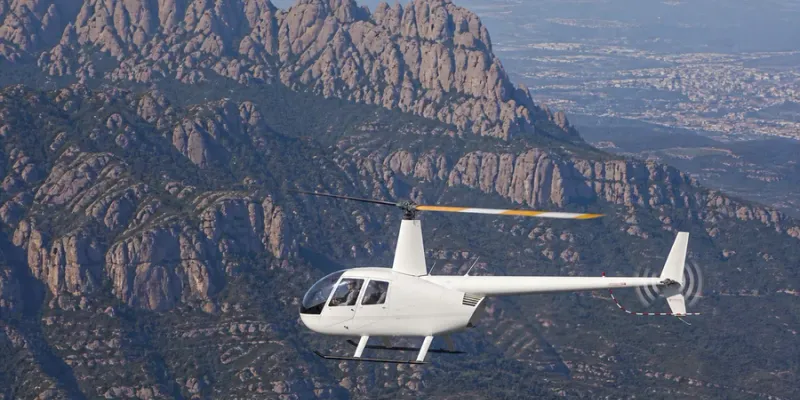
Look for answers to a few direct questions before booking:
- What happens if the operator cancels because of weather?
- Can the flight be moved to another time or date?
- Is there a deadline for arrival before the booking is treated as missed?
- Are refunds handled automatically or only after a request?
The aim is not to find a promise that every flight will run. No responsible operator can make that promise. The aim is to understand what happens when conditions change and whether the terms are easy to follow. Keep written confirmation of the route, time, meeting point and cancellation rules.
Check safety signals and professional standards
Safety should be part of every decision, from booking to boarding. A reputable operator will explain the main rules, answer direct questions and avoid rushing passengers through important information. Before the flight, pay attention to whether the briefing is clear and whether passengers know what to do during boarding and exit.
Useful signs include a defined meeting point, an orderly check in process, clear passenger limits and a briefing that is easy to understand. Wear sensible clothing, secure loose items and follow instructions around the aircraft at all times. Do not attempt to handle equipment, open panels or interfere with any part of the aircraft. If something looks wrong, raise it with the crew rather than trying to fix it yourself.
Another point to check is insurance and licensing language. It does not need to be presented in a dramatic way, but it should be clear. If a listing gives no useful information about who is operating the flight or what standards apply, ask before booking. A lower price is not worth confusion over basic operating details.
Weigh extras against the core experience
Extras can make a flight feel more memorable, but they should not hide weak fundamentals. A souvenir video may be appealing if you want something to review afterward. A route focused on city landmarks may matter more if this is your first visit. Aerial photography may be the priority if you are travelling with a camera. Choose one or two priorities rather than collecting features.
Also consider timing. Flights around busy parts of the day may involve more waiting, while quieter periods can feel more relaxed. Light can change the view substantially, so ask what times are available and what the city looks like at that hour. Sunset flights can be attractive, but they may be harder to arrange and more affected by demand. Midday light can be harsh for photos, yet it may suit a first flight with clearer visibility.
Read recent reviews for patterns rather than praise alone. Repeated comments about unclear meeting points, late changes or cramped seating are more useful than one glowing sentence. Repeated comments about smooth organisation and clear communication can be reassuring, but they should still be balanced against your own priorities.
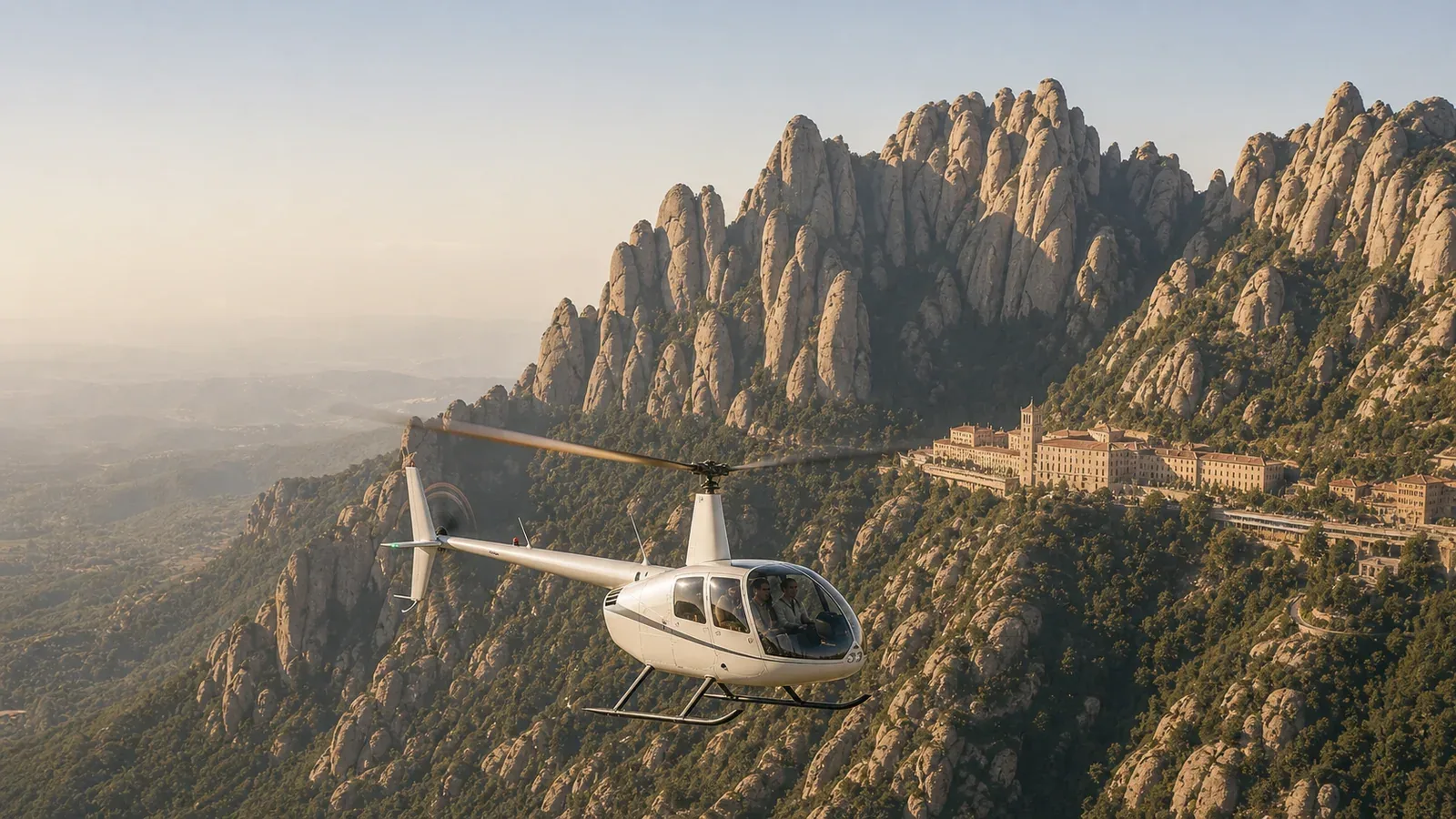
Make the final comparison in one sitting
Once you have gathered the basics, compare the options side by side. Keep the route, flight length, aircraft type, meeting point, passenger rules, weather terms and included extras together. This prevents a small feature from distracting you from the practical points that shape the day.
- Confirm that the route includes the sights you actually want to see.
- Check that the departure point fits your plans in Ciutat Vella.
- Ask about seating, weight limits and passenger requirements.
- Read the weather, rescheduling and refund terms in full.
- Keep written confirmation before the day of the flight.
A good choice should feel understandable before you pay. If you need to chase basic answers or if the terms rely on vague language, consider another option. The best flight is usually the one that matches your reason for flying, fits your schedule and leaves little room for confusion on the day.
For direct details, Barcelona Helicopter Tour is at Via Laietana, 52, Ciutat Vella, 08003 Barcelona, Spain. The phone number is +34 632 93 79 41.